De nationale parken van Tanzania
De nationale parken van Tanzania.
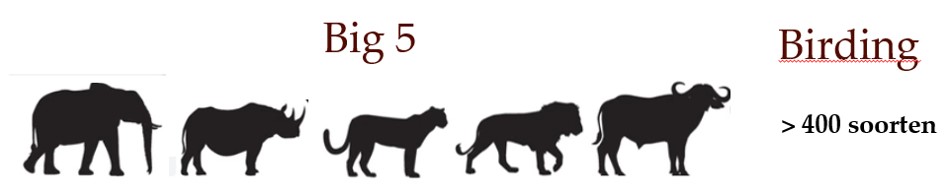
De nationale parken van Tanzania behoren tot de mooiste en meest wilddichte gebieden in Afrika. Tanzania is tot beste safariland in Afrika verkozen en heeft als safari bestemming in oost-Afrika de dubbele Big 5: niet alleen de olifant, neushoorn, leeuw, luipaard en buffel, maar ook de 5 Unesco world heritage sites Serengeti national park, Ngorongoro conservation area, Selous game reserve, Stone Town op Zanzibar en de Kilimanjaro.
Tanzania, 24 x Nederland, ligt op het zuidelijk halfrond aan de oostkust van Afrika.
Van dit geweldige land is 1/3 deel beschermd natuurgebied. De UNESCO heeft een aantal natuurgebieden zoals het Serengeti NP, de Ngorongoro CA, het Kilimanjaro NP en Selous NR uitgeroepen tot World Heritage sites.
Tanzania wordt begrenst door Kenia in het noorden, de Indische Oceaan in het oosten, Mozambique, Malawi, Zambia in het zuiden, Congo, Burundi, Rwanda en Uganda in het westen.
Vanwege de uitgestrektheid van Tanzania hebben we het overzicht verdeeld in het noordelijk en zuidelijk deel van Tanzania. Onze safari route World Heritage sites verbindt de noordelijke en zuidelijke parken.
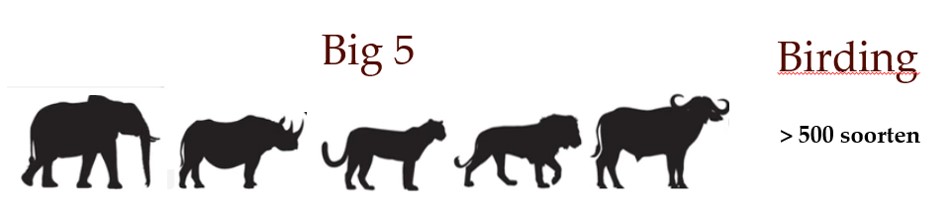
De big 5.

We krijgen vaak de vraag of gasten de Big 5: olifant, neushoorn, luipaard, leeuw en buffel op hun safari zullen tegenkomen. Daarom hebben wij in de parkbeschrijvingen het voorkomen van de Big 5 opgenomen. Voor birding liefhebbers hebben we het aantal geregistreerde soorten vogels uit het Birdlife country profile toegevoegd.
Prive Safari heeft sinds 2005 een unieke manier ontwikkeld om de Tanzaniaanse parken te ontdekken.
“Dit is de meest exclusieve vorm van safari: met je eigen crew midden in de Serengeti”
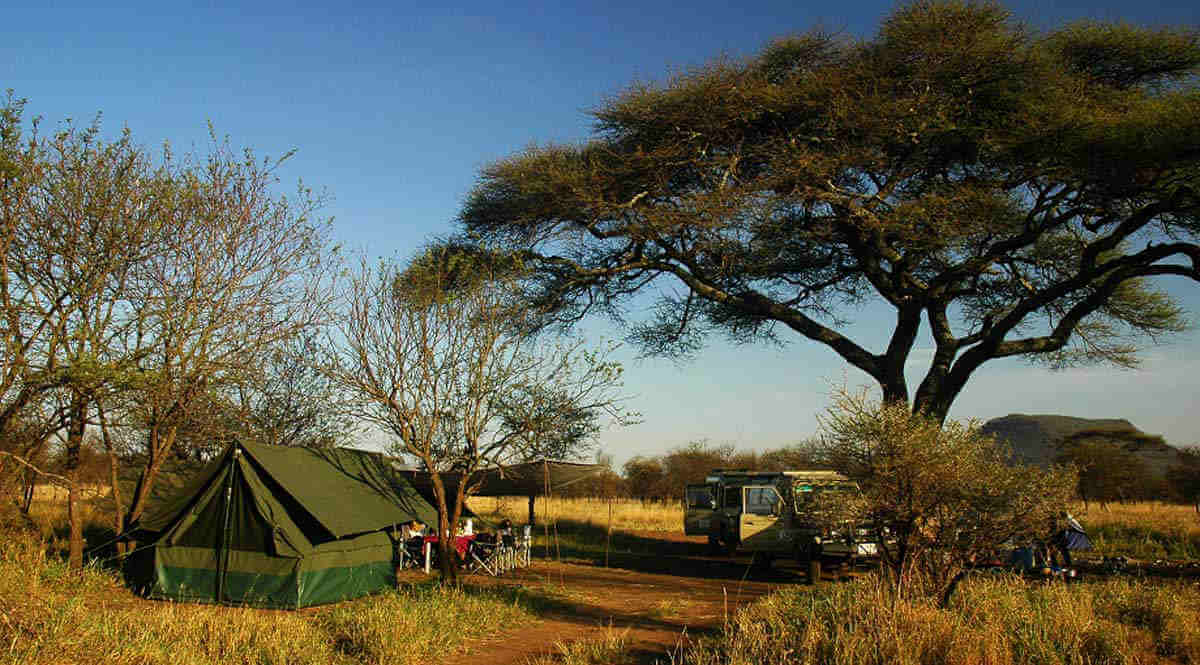
Special campsite, Serengeti, Tanzania
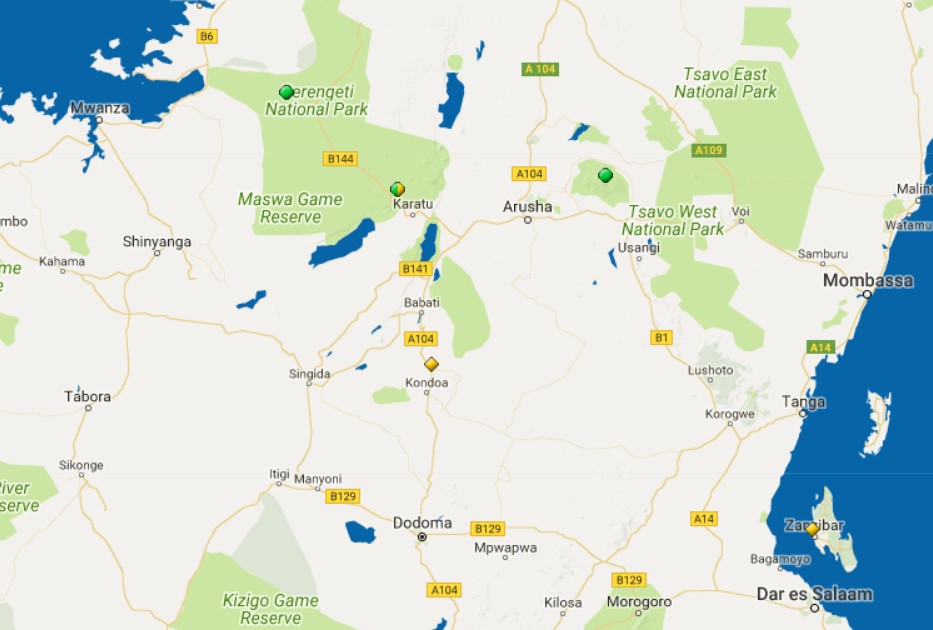
Nationale parken in het noorden van Tanzania:
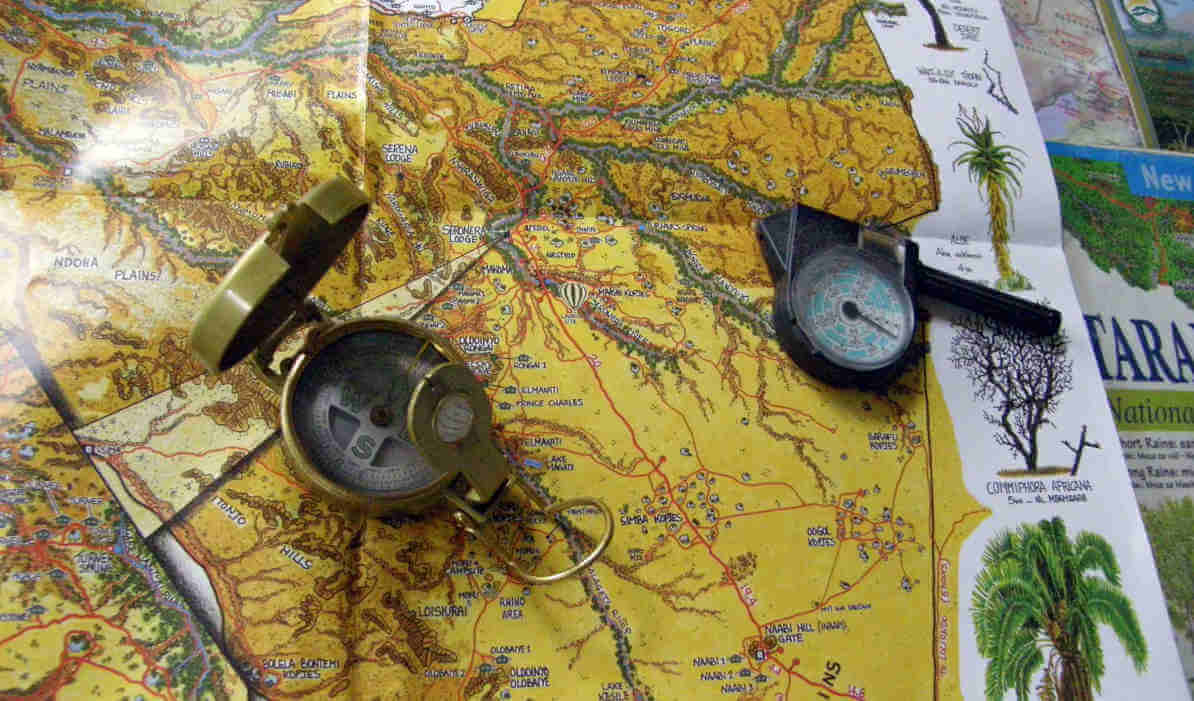
We geven hier wat korte karakteristieken van de noordelijke parken van Tanzania zoals u die op de kaart hierboven zijn aangegeven.
Voor meer informatie over de parken van Tanzania verwijzen we naar de pagina’s die u d.m.v. de links kunt aanklikken.
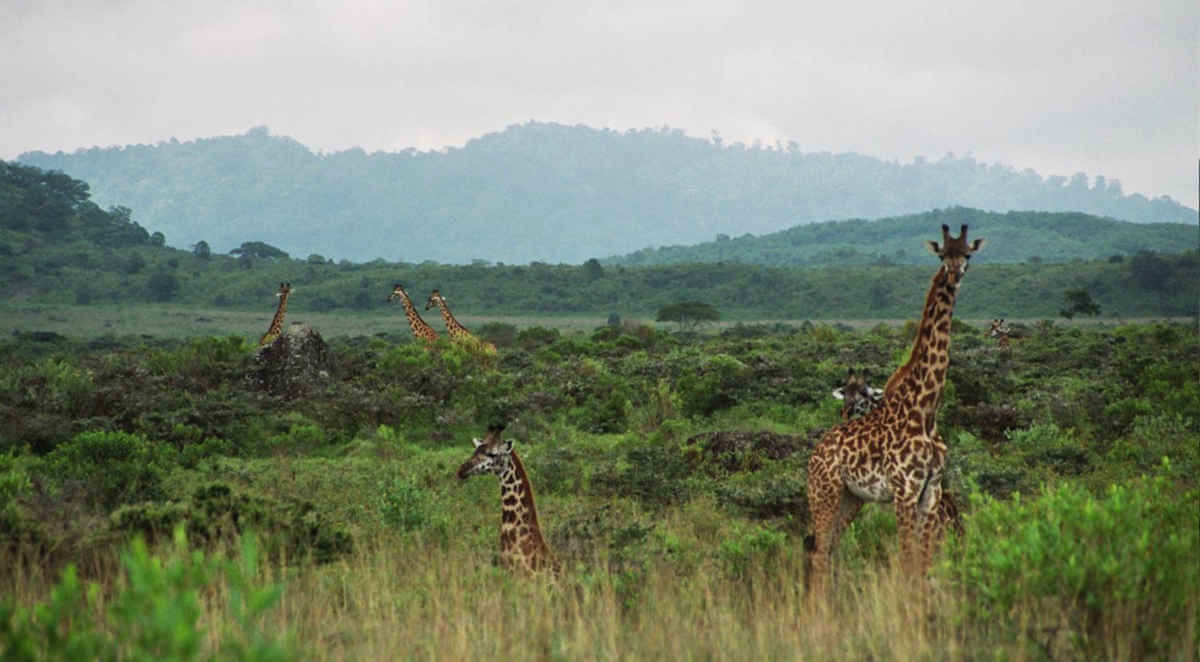
Arusha National Park
Juweel aan de voet van Mount Meru met meertjes en een krater en met de hoogste giraffe dichtheid van de Tanzaniaanse parken. u treft hier geen leeuwen of olifanten, maar dit is wel een van de weinige parken waar u een wandeling kunt maken onder begeleiding van een gewapende ranger. En dan blijkt een giraffe toch wel erg groot te zijn! Meer info Arusha NP

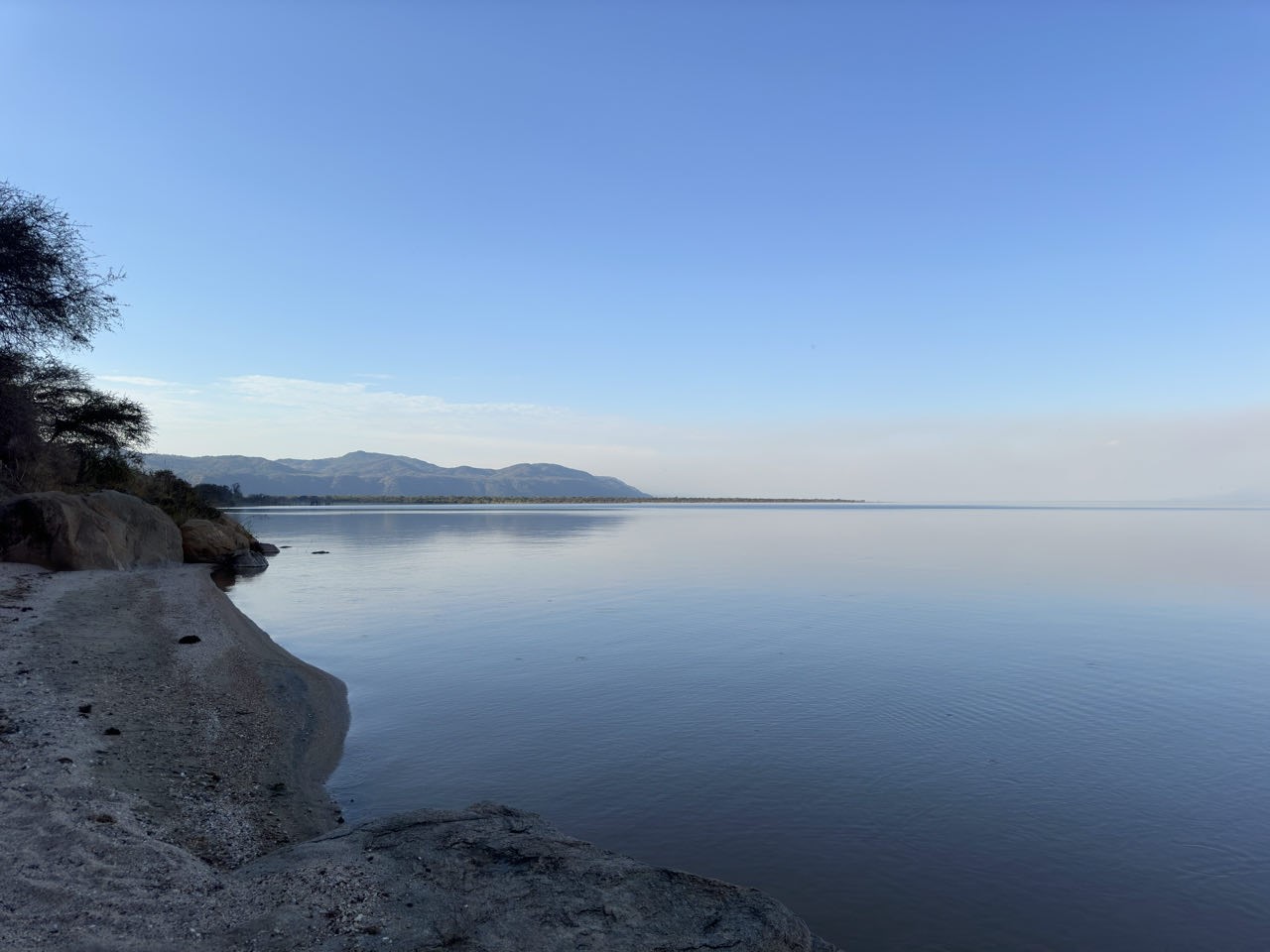
Lake Manyara National park
Lake Manyara NP is een juweeltje dat over een lengte van 50 km langs de voet van het soms 600 meter hoge Rift Valley Escarpment loopt.
Ernest Hemingway noemde Lake Manyara NP: “the loveliest I have seen in Africa”.
Het park bestaat uit voor de helft uit een ondiep zoutmeer met een grote populatie aan flamingo’s. Op het hoger gelegen deel van het park vindt u o.a. leeuwen, olifanten en vooral bavianen.
Meer informatie over het park: Lake Manyara NP

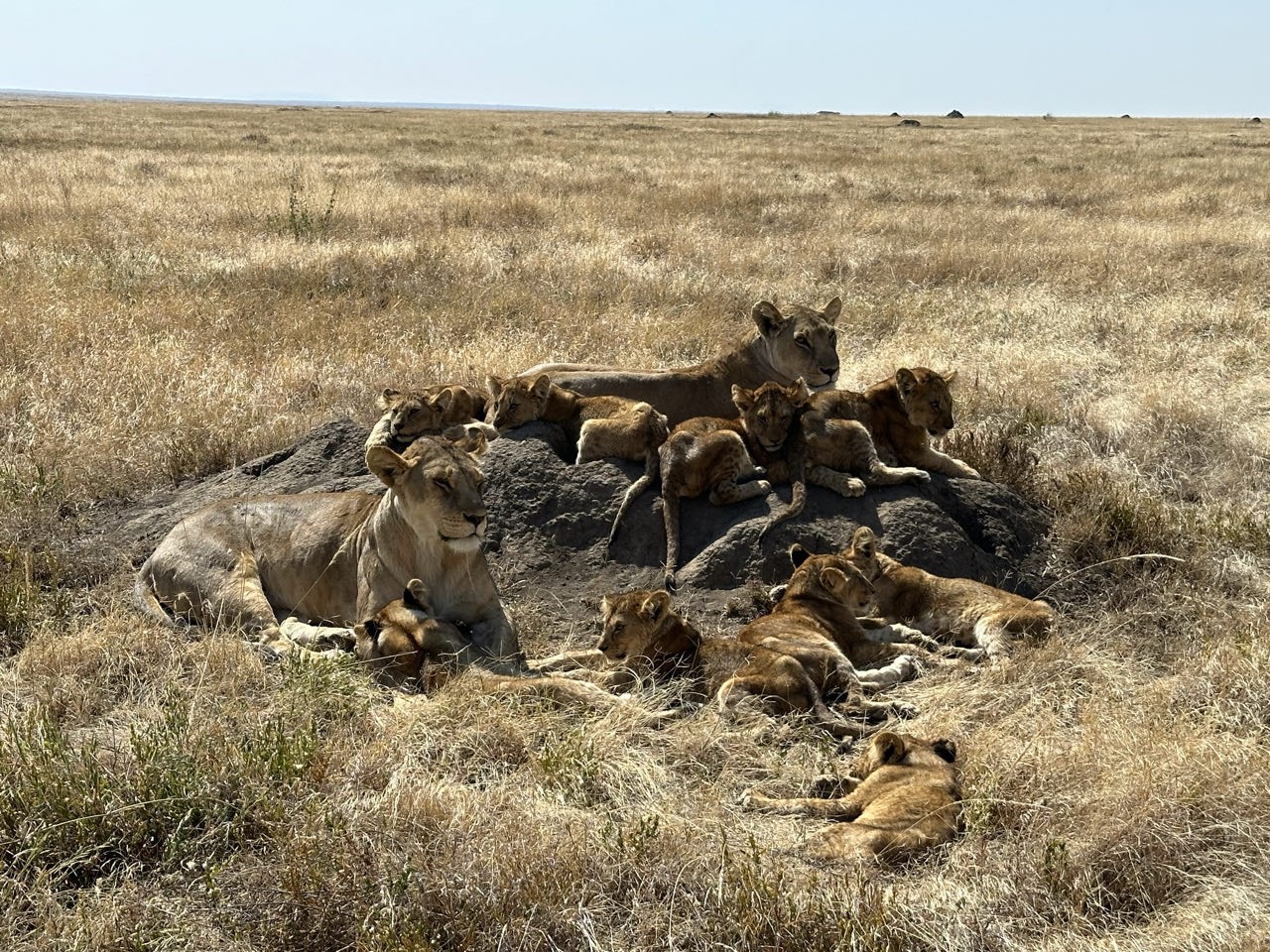
Serengeti National Park
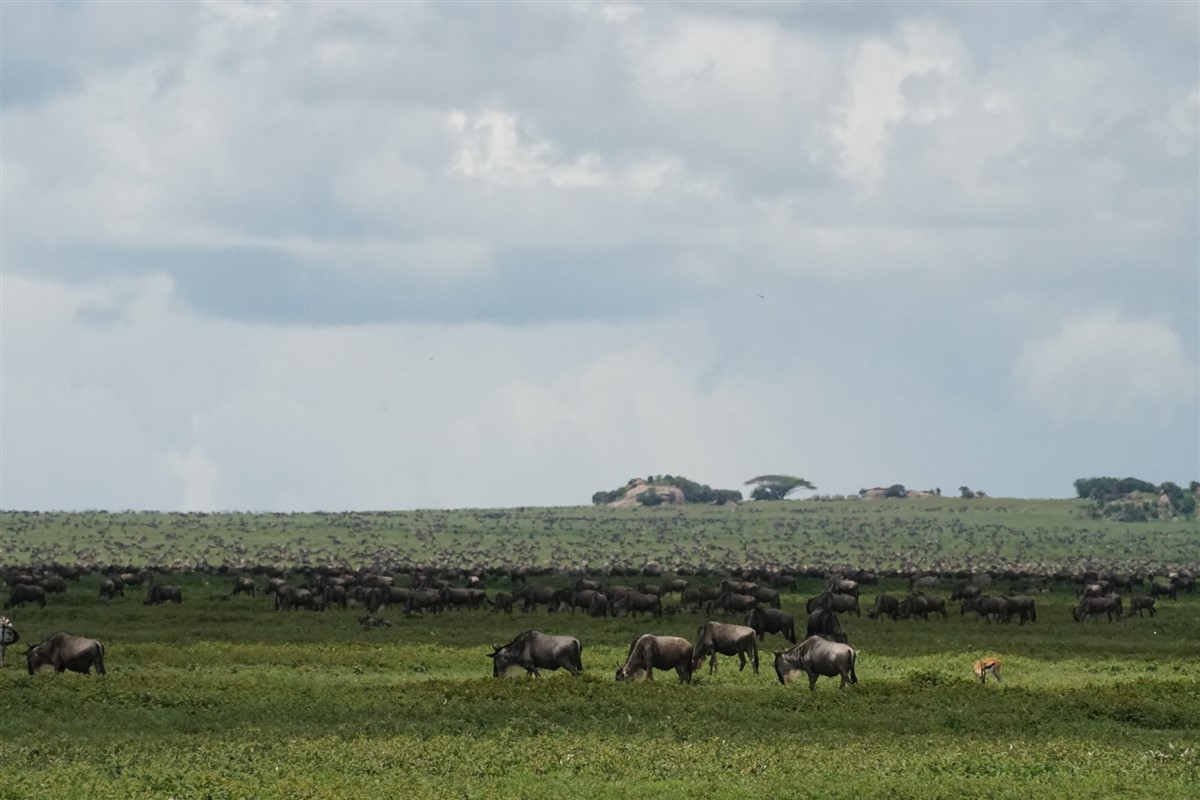
Het bekendste wildpark van Afrika met de Serengeti migration, de trek van 1.500.000 gnoe’s en 300.000 zebra’s. Op de grote vlaktes houden zich veel katachtigen rond de Kopjes in het zuiden van het park op. U zult hier bijna zeker de big 5 tijdens uw safari tegen komen. Meer info Serengeti NP
Tarangire National Park
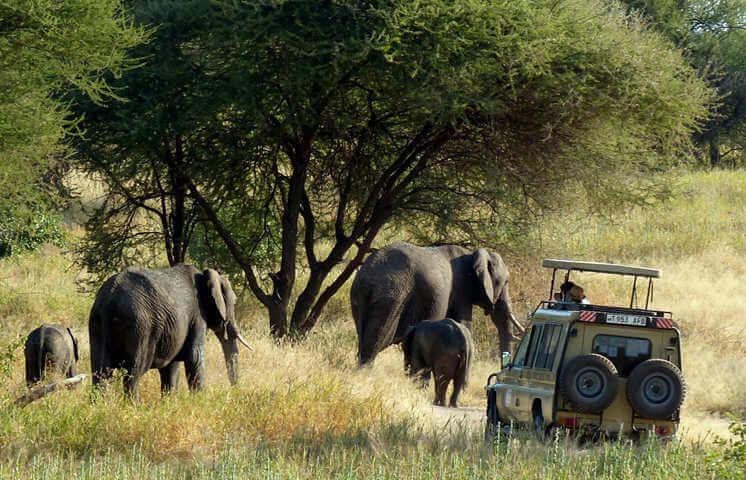
Een Jurasic parkachtige omgeving met grote kuddes olifanten die zich in de droge periodes in de buurt van de Tarangire rivier ophouden. Vanwege het geaccidenteerde terrein, de gigantische Baobab bomen, de grote kuddes en het mooie landschap is dit park voor ons het mooiste van de noordelijk parken in Tanzania. Meer Info Tarangire NP

Ngorongoro Conservation Area
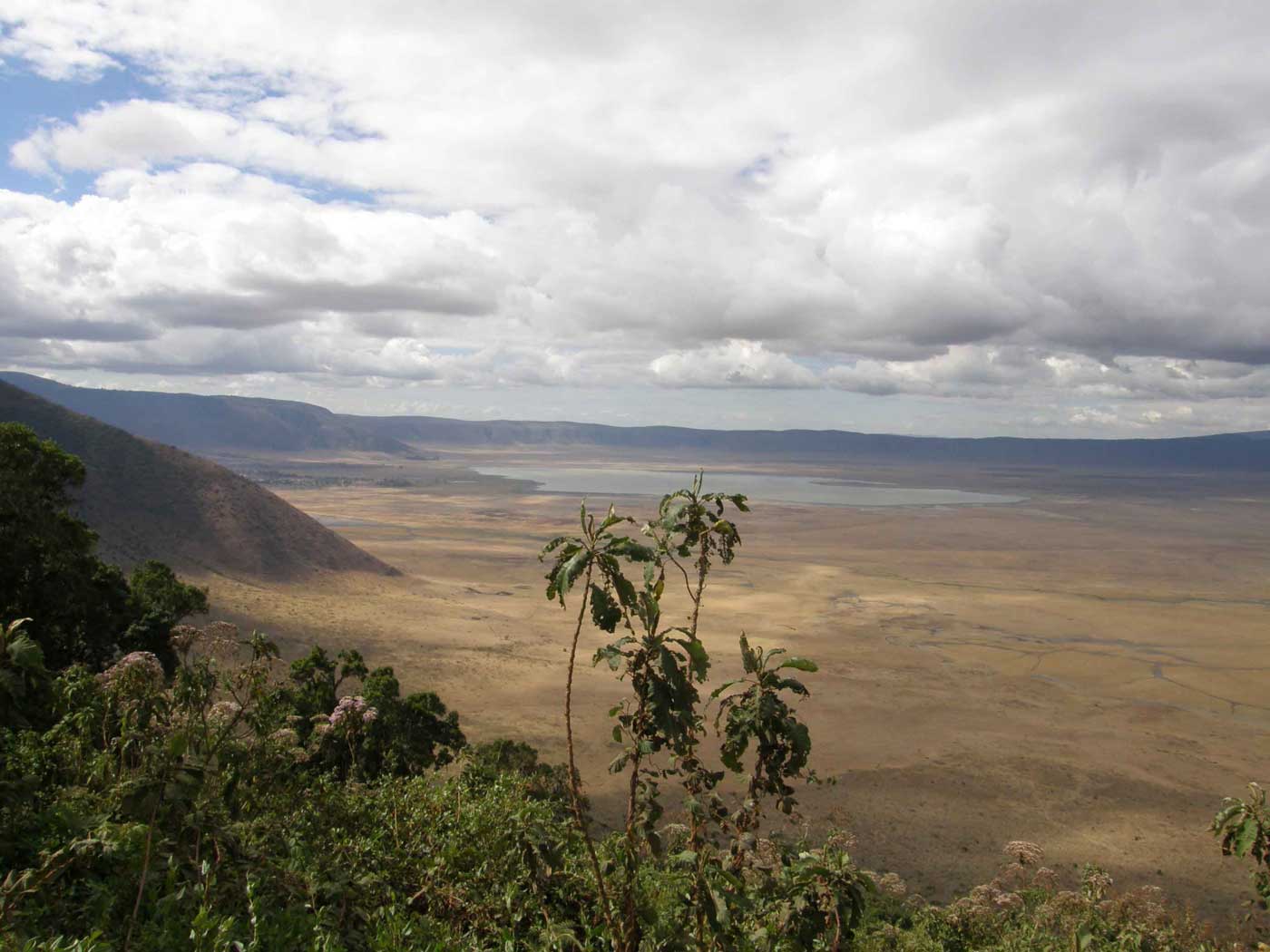
Met daarin de krater, één van de 8 wereldwonderen, Unesco World Heritage Site. Net als in de Serengeti kunt u hier neushoorns tegenkomen, maar die zijn in de krater met een doorsnede van 20km eenvoudiger te spotten. De Conservation Area is heel wat groter dan de krater alleen en u kunt hier Maasai tegen komen die hun vee buiten de krater weiden. Meer info Ngorongoro CA
Lake Natron
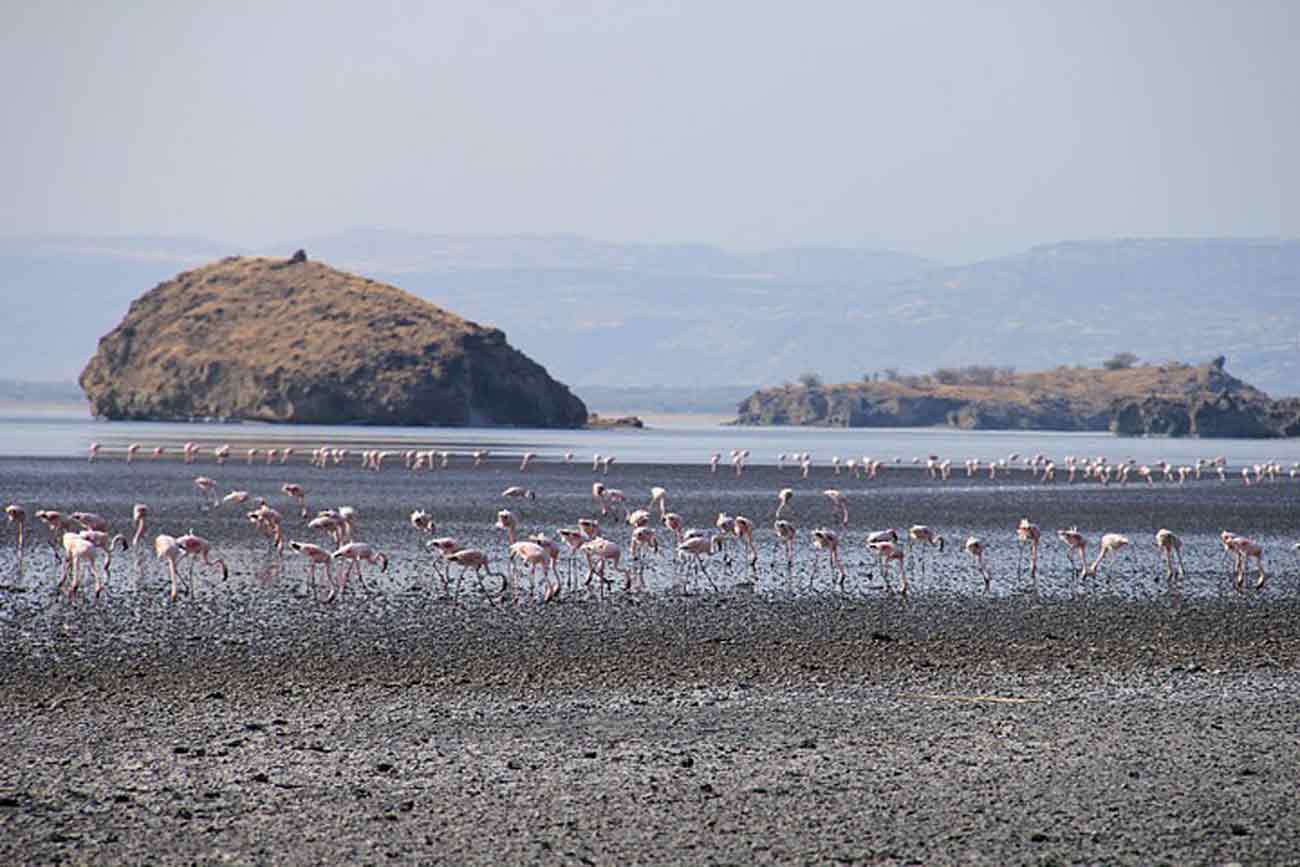
Aan de voet van de heilige berg van de Maasai Ol Doinyo Lengai, wordt hier 90% van de wereldpopulatie aan lesser flamingo’s geboren. Het gebied is bewoond door Maasai stammen die hier hun vee hoeden. De weg naar Lake Natron loopt langs de vulkanische uitlopers van Oldonio Lengai. Een bezoek aan dit verlaten deel is zeker de moeite waard! Lees hier het BBC artikel The road less travelled to the Serengeti uit de serie The Open Road. Meer info Lake Natron
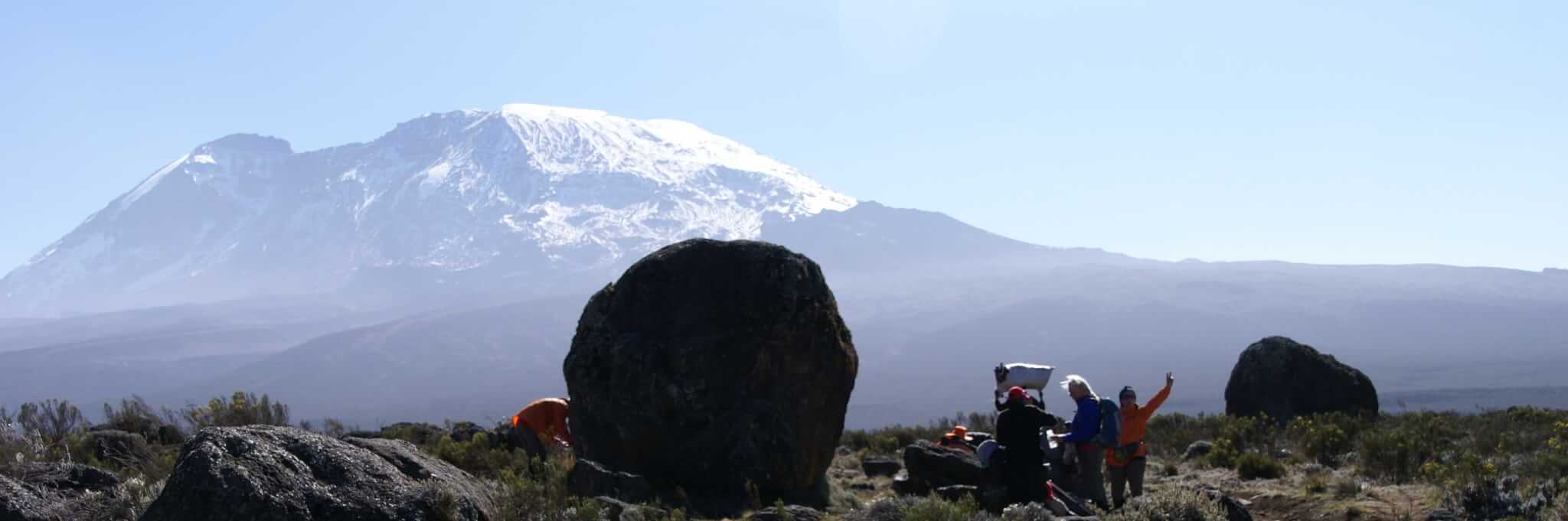
Kilimanjaro NP
Met als centrum de hoogste alleenstaande berg ter wereld en het dak van Afrika: de Kilimanjaro met een hoogte van 5.895 m. De 3 toppen rijzen in de vroege morgen en tegen de avond uit de wolken op en zijn dan van verre te zien. Een mooie uitdaging om daar een beklimming van te gaan doen.
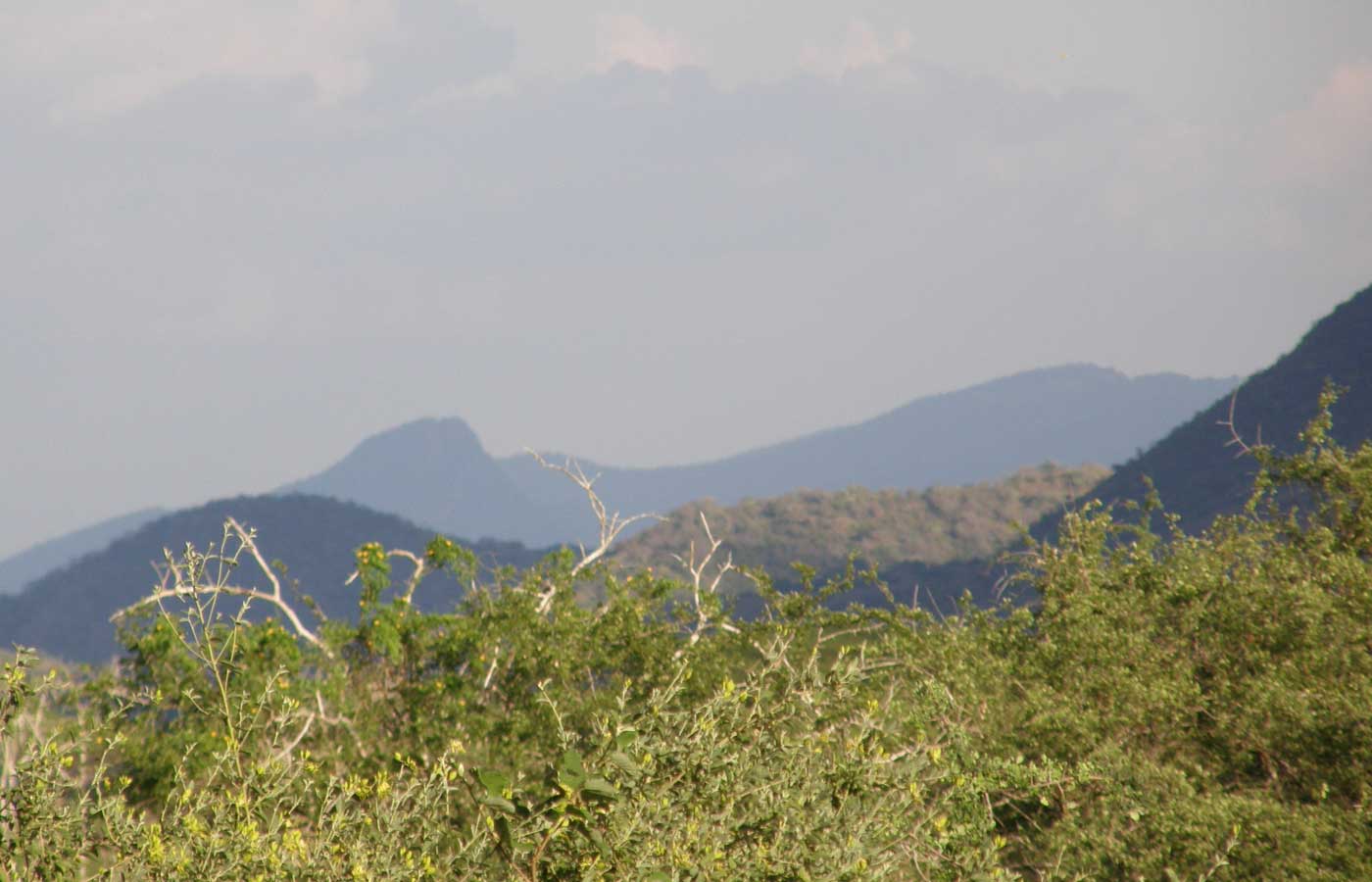
Mkomazi NP
Mkomazi NP ligt aan de voet van de spectaculaire Usambara en Pare Eastern Arc bergketens, in het zicht van de Kilimanjaro en is het jongste NP van Tanzania. Mkomazi is en toevluchtsoord voor twee zeer bedreigde soorten, de charismatische zwarte neushoorn en de Afrikaanse wilde hond, die beide met succes opnieuw geïntroduceerd werden in de jaren 1990.

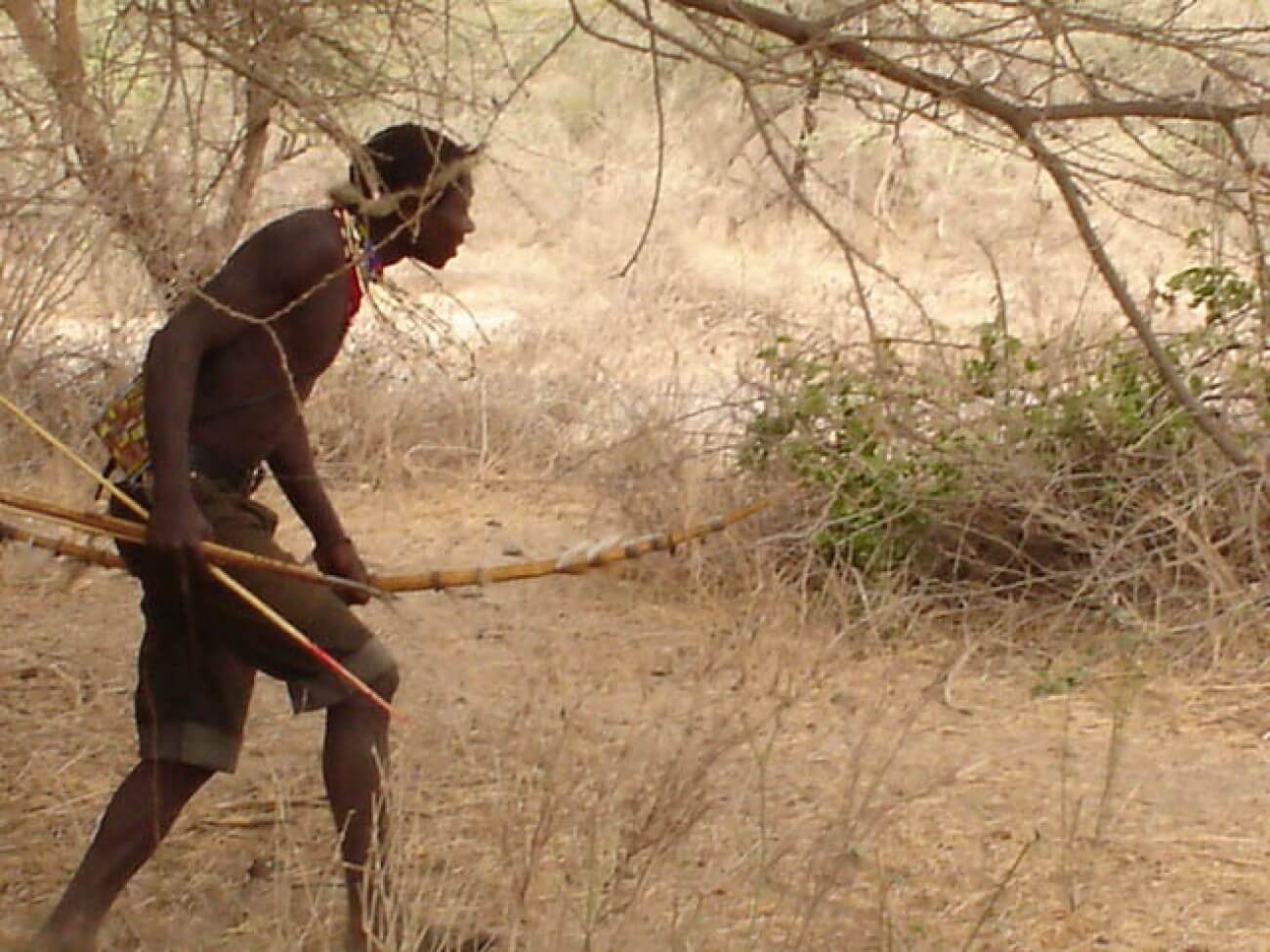
Lake Eyasi – Hadzabe
Lake Eyasi is een zoutmeer in de Great Rift Valley aan de voet van het Serengeti Plateau, net ten zuiden van het Serengeti National Park. Het meer is langwerpig, georiënteerd zuidwest naar noordoost, en ligt in de Eyasi-Wembere tak van de Great Rift Valley.
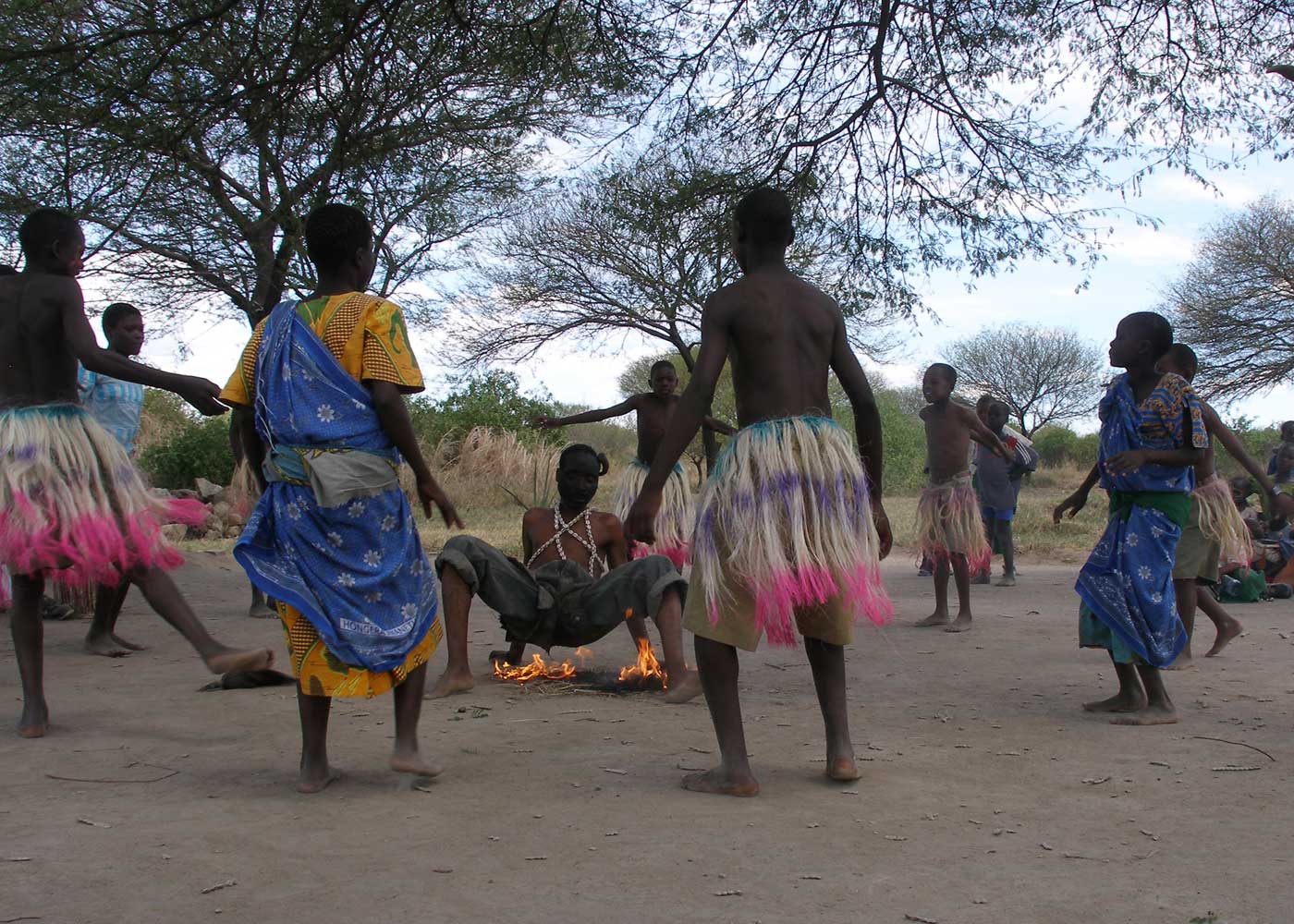
De Hadza, of Hadzabe’e, vormen een etnische groep in centraal Tanzania die leeft rond Lake Eyasi in de centrale Rift vallei en het aangrenzende Serengeti plateau. Er leven nog rond de 1.000 Hadza. Park informatie Lake Eyasi – Hadzabe
Lake Victoria
Lake Victoria (ook wel Victoria Nyanza) is het grootste meer van Afrika en het op één na grootste zoetwatermeer op aarde. Met een oppervlakte van 69.484 km² is het ongeveer net zo groot als Ierland. Het Victoriameer is de bron van de Victoria Nijl. Bij Lake Victoria ligt een van de weinige plaatsen waar u de grens tussen Kenia en Tanzania kunt oversteken: de Isebania grensovergang.
Safariroutes in het noorden van Tanzania.
De parken worden door logische routes verbonden die (bijna) allemaal niet geasfalteerd zijn.
Bij de verbindingen spreken we dan ook van reistijd en niet van af te leggen mijlen of kilometers. Door de verbindingstrajecten kort in reisduur te houden, ontstaat er binnen een reisschema voldoende tijd om te stoppen wanneer u dat wilt of om eerder of later uit een nationaal park te vertrekken. Met name voor safari’s met kinderen blijkt deze flexibiliteit een groot voordeel te zijn.
Wij adviseren u graag over de routes in de verschillende periodes van het jaar zodat daar met de trek in de verschillende parken rekening mee gehouden kan worden. Meer info over de safari routes.
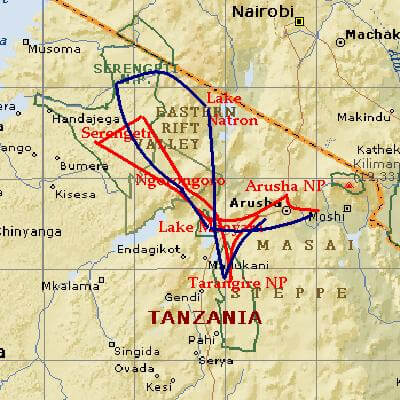
Noorden Tanzania safari routes
De nationale parken in het zuiden en het oosten van Tanzania.
Privé safari heeft buiten de noordelijke parken ook de parken in het ongerepte zuiden van Tanzania in haar programma opgenomen Dit gebied staat bekend om haar magnifieke wildleven, bergachtige omgeving en spectaculaire wildernis.
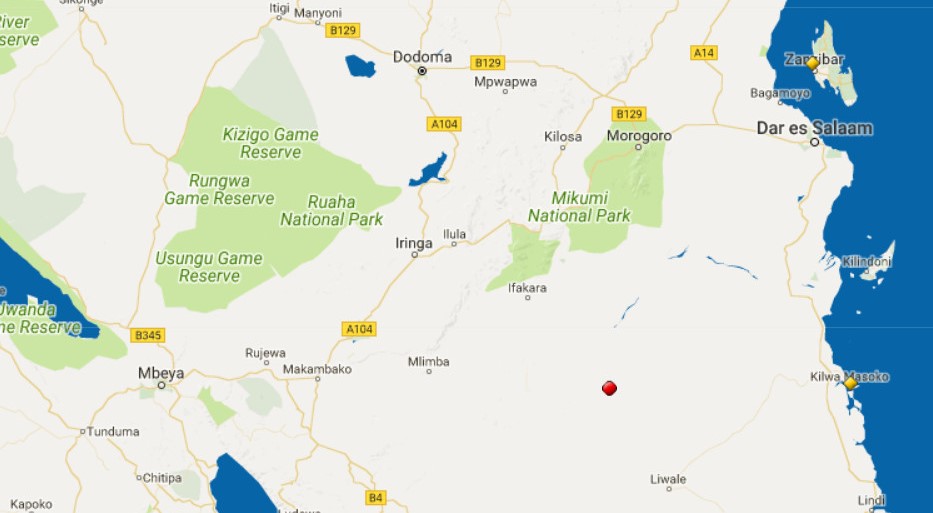
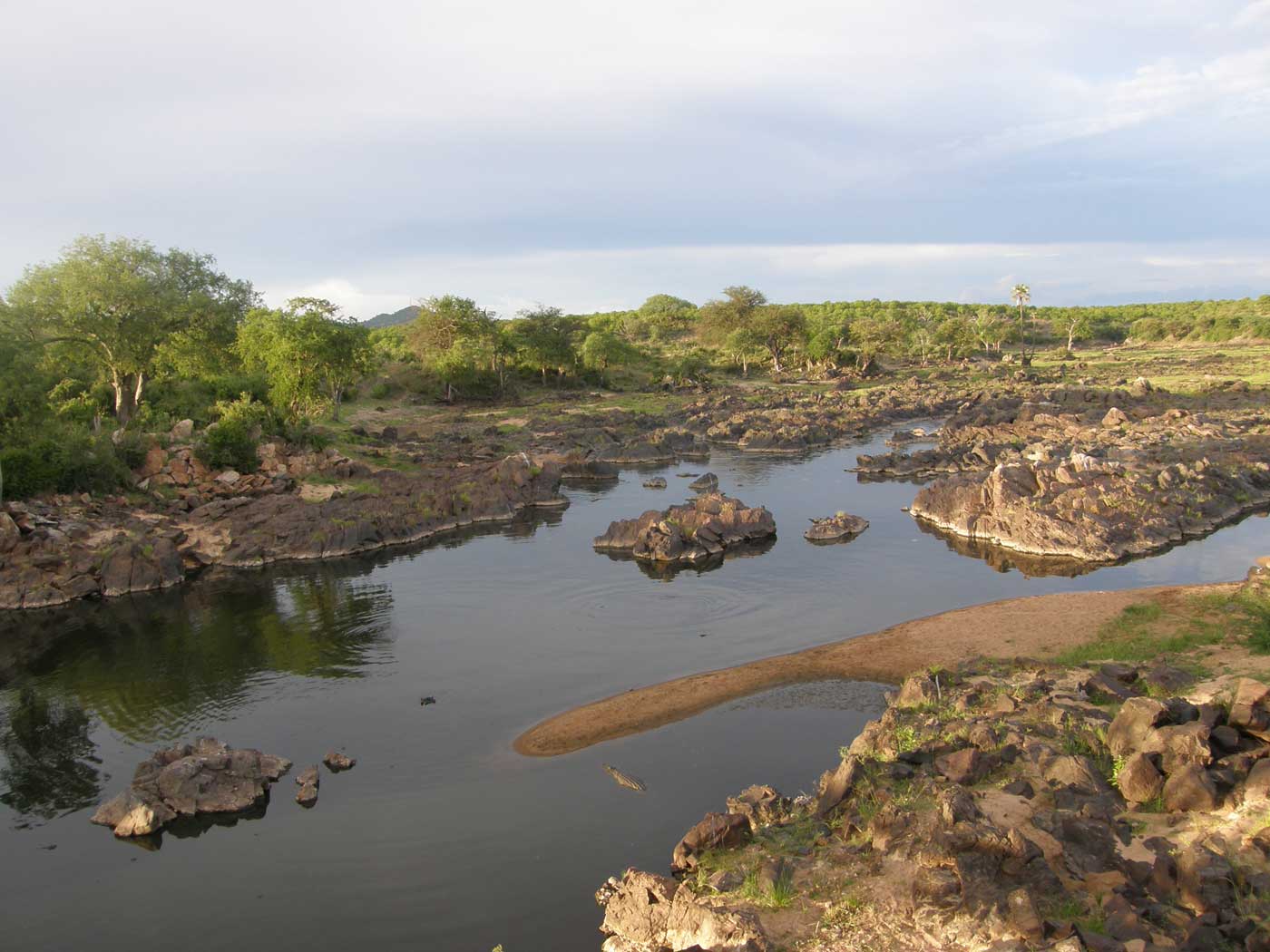
Ruaha NP
Ruaha National Park is het grootste park in Tanzania voor een bijzondere safari in een fascinerende landschap en ligt in het zuiden van Tanzania. Het park is rijk aan planten en dieren die alleen hier voorkomen zoals de Greater Kudu (Tragelaphus strepsiceros). Het park heeft een bijna onaangeroerd en onontgonnen ecosysteem, waardoor de bezoekers een heel unieke safari-ervaring zullen hebben.

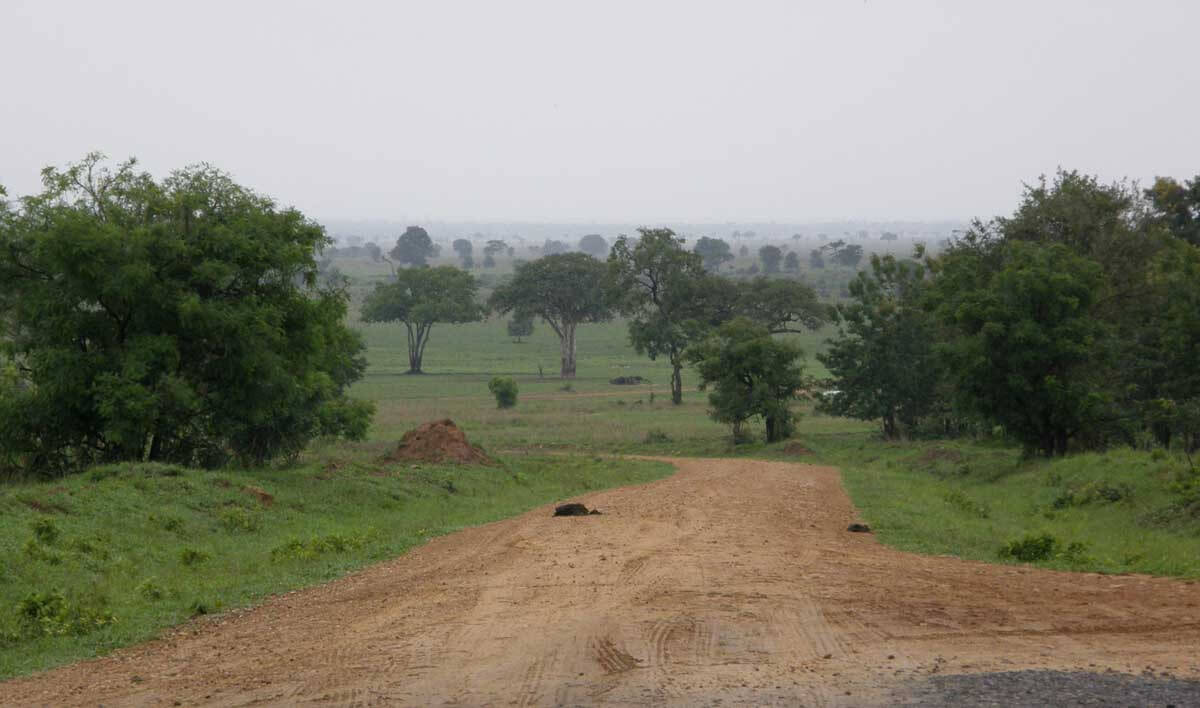
Mikumi NP
Mikumi National Park ligt aan de noordelijke kant van de grootste wildreservaat van Afrika – Selous – en wordt doorsneden door de TranZam Highway de verharde weg tussen Dar es Salaam en Iringa en uiteindelijk Zambia.
Het is dus het meest toegankelijke deel van een 75.000 vierkante kilometer stuk wildernis die zich naar het oosten uitstrekt tot bijna aan de Indische Oceaan.

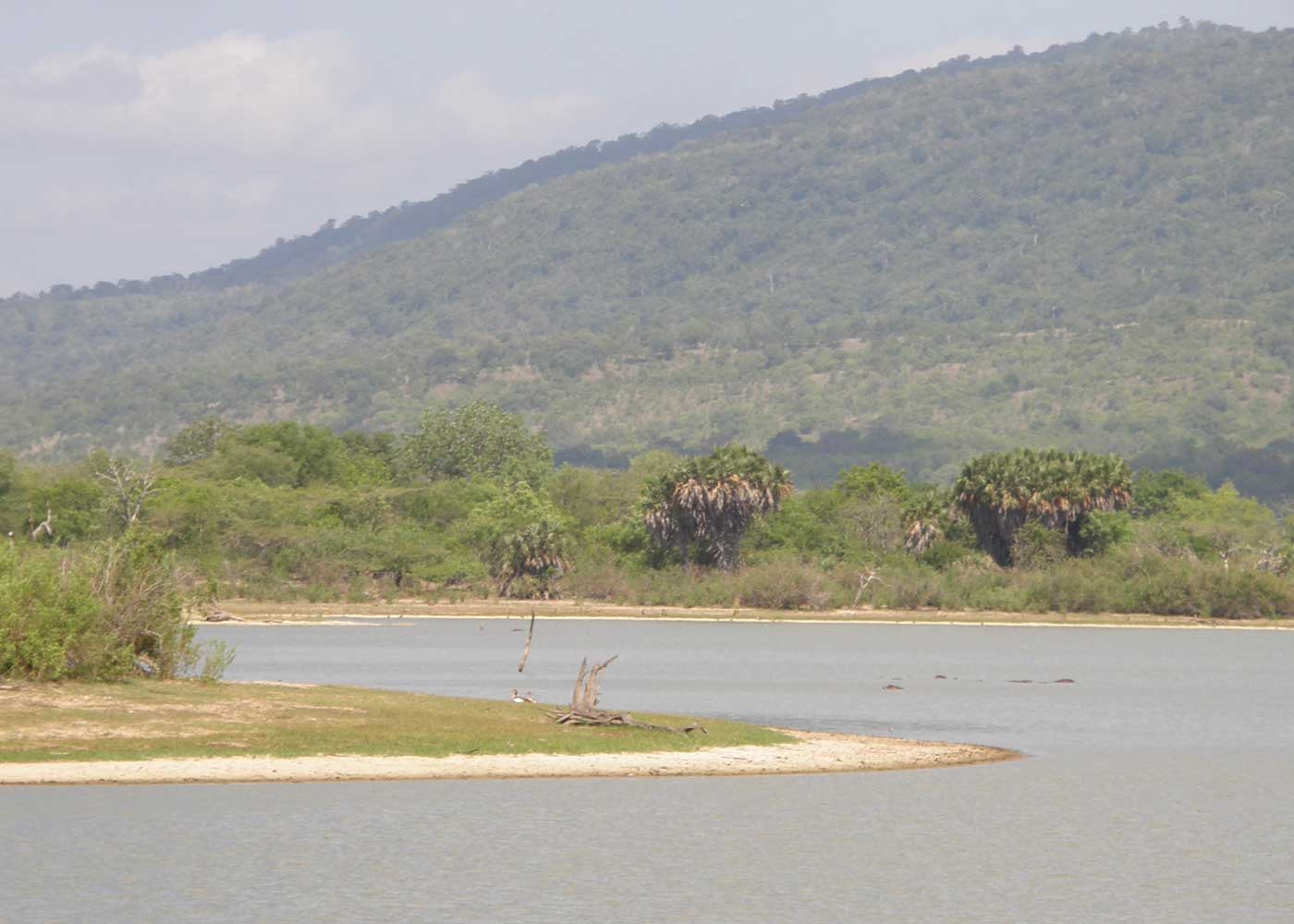
Selous GR / Nyerere NP
Met ongeveer 50.000 vierkante kilometer is Selous het grootste Afrikaanse reserve, een gebied groter dan Denemarken of Zwitserland. Het Reserve beslaat meer dan 5% van de totale landoppervlakte van Tanzania en is drie keer groter dan de Serengeti.
Het Reserve gebied dankt zijn naam aan Frederick Courtenay Selous, een 19e eeuwse jager en soldaat. In 1982 werd dit unieke ecosysteem internationaal erkend en het gebied is door de Verenigde Naties aangewezen als World Heritage Site. 
Safariroutes in het zuiden van Tanzania.
Wij hebben de zuidelijke en noordelijke parken verbonden met de safari De Tanzaniaanse World Heritage sites. Daarin combineren wij het beste wat Tanzania te bieden heeft aan nationale parken in, wat wij toch wel een expeditie door de binnenlanden van Tanzania willen noemen.
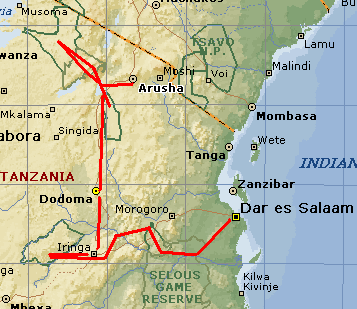
Informatie safari programma De Tanzaniaanse World Heritage Sites.
Terug naar hoofdpagina: Prive Safari
Huidige pagina: Parken in Tanzania